
Dental caries, more commonly known as tooth decay, is a prevalent issue among children, particularly in Abu Dhabi’s Shahama community. Addressing dental caries early is crucial in preventing more severe health problems down the line. In this blog, we will explore the primary causes of dental caries in children, identify key symptoms, and discuss preventive measures that parents and caregivers can adopt.
Understanding Dental Caries
A. Definition and Process
What are dental caries?
Dental caries, commonly referred to as cavities or tooth decay, are areas of the teeth that have been permanently damaged and develop into tiny openings or holes. They are the result of a process that involves the gradual destruction of the tooth’s structure, including enamel, dentin, and cementum, by acidic by-products produced from the bacterial fermentation of dietary sugars.
How do caries develop?
The development of dental caries is a multifactorial process influenced by the interaction between the host (tooth), the diet, and the microbiota present in the mouth. The process begins when bacteria in the dental plaque metabolize carbohydrates from food and produce acids. These acids then demineralize the enamel and dentin, leading to the formation of carious lesions. If left untreated, the decay can penetrate deeper into the tooth, affecting the pulp and resulting in pain, infection, or even tooth loss.
B. Statistics and Prevalence
Current statistics on dental caries in children
Dental caries remain one of the most common chronic diseases in children worldwide, transcending socioeconomic boundaries. According to the World Health Organization (WHO), approximately 60% to 90% of school-aged children have dental caries. In some regions, such as Abu Dhabi’s Shahama community, the prevalence can be even higher due to factors like dietary habits, access to dental care, and oral hygiene practices.
Age groups most affected
While dental caries can affect individuals of all ages, certain age groups are more susceptible due to their developing dentition and oral hygiene behaviors. Preschool-aged children (under 5 years) often experience early childhood caries (ECC), a particularly aggressive form of tooth decay. School-aged children (6-12 years) and adolescents (13-18 years) also show high caries prevalence, particularly in the permanent teeth, as they navigate changes in diet and oral care routines. Effective prevention and early intervention strategies tailored to these age groups are essential in mitigating the impact of dental caries.
Primary Causes of Dental Caries
A. Poor Oral Hygiene
Failure to brush and floss regularly allows dental plaque—a sticky film of bacteria—to accumulate on the teeth. These bacteria thrive on the sugars and starches left in the mouth from food and drink, producing acids as a by-product. Over time, these acids erode the enamel and dentin, creating cavities. Poor oral hygiene not only accelerates the process of tooth decay but also increases the risk of gum disease, which can further compromise dental health. Educating children and encouraging them to adopt consistent and effective brushing and flossing habits is crucial in preventing dental caries and ensuring long-term oral health.
B. Diet and Nutrition
High Sugar Intake
Sugar consumption plays a significant role in the formation of dental caries. When children consume sugary foods and beverages, the sugars act as a food source for the bacteria present in the dental plaque. The bacteria metabolize the sugars and produce acids as a by-product. These acids can demineralize the enamel, the hard, protective outer layer of the teeth, leading to cavities. Common sugary foods that contribute to caries include candies, cakes, cookies, sodas, and even fruit juices. While it is not always possible to eliminate these items from a child’s diet entirely, moderation and proper dental hygiene practices can significantly mitigate their effects on dental health.
Frequent Snacking
Constant snacking, especially on carbohydrate-rich foods, can increase the risk of dental caries. Snacks such as crackers, chips, and dried fruits can leave residues on the teeth, providing a continuous food source for bacteria. Each time a child snacks, the acid attack on the enamel can last for up to 20 minutes. Frequent snacking means that the teeth are almost constantly under attack, which can prevent the enamel from undergoing natural remineralization processes between meals. To reduce the risk, parents should encourage children to limit snacking to specific times and choose healthier snack options, such as fresh fruits and vegetables, cheese, or nuts, which are less likely to promote tooth decay.
C. Bacterial Infection
Role of Streptococcus mutans and Other Bacteria
Streptococcus mutans is one of the primary bacteria responsible for the development of dental caries. This bacterium, along with other acid-producing bacteria like Lactobacillus, adheres to the surface of the teeth within the dental plaque. Streptococcus mutans is particularly adept at metabolizing sugars from food, producing lactic acid as a by-product, which leads to the demineralization of the tooth enamel. Over time, this demineralization process results in the formation of cavities.
How Bacteria Cause Tooth Decay
The process of tooth decay begins when these bacteria colonize the dental plaque and begin breaking down dietary sugars. As the bacteria metabolize these sugars, they produce acids which lower the pH level in the mouth. When the pH level drops below 5.5, the enamel starts to lose minerals in a process known as demineralization. If this acidic environment persists, it leads to the breakdown of the enamel and dentin, forming cavities. The bacteria can then penetrate deeper into the tooth, eventually reaching the pulp, causing pain and possible infection. Maintaining good oral hygiene by regularly brushing and flossing, along with reducing sugar intake, helps in controlling the population of these harmful bacteria and preventing dental caries.
D. Lack of Fluoride
How Fluoride Helps Prevent Caries
Fluoride is a mineral that plays a crucial role in the prevention of dental caries. It helps to reinforce tooth enamel, making it more resistant to acid attacks from plaque bacteria and sugars in the mouth. Fluoride can also reverse early stages of tooth decay through a process called remineralization. During this process, fluoride, along with calcium and phosphate, deposits into the weakened tooth enamel, restoring its strength and preventing the progression of cavities.
Sources of Fluoride
There are several sources of fluoride that can help in the fight against dental caries. Fluoridated drinking water is one of the most significant contributors to dental health, providing a constant low level of fluoride to help maintain strong teeth. Besides water, fluoride is also commonly found in toothpaste. Brushing with fluoride toothpaste twice a day ensures that teeth are regularly exposed to the mineral. Additionally, professional fluoride treatments can be provided by dentists during regular checkups. These treatments include fluoride varnishes, gels, and foams, which offer higher concentrations of fluoride to provide extra protection against tooth decay. Fluoride mouth rinses are another option, especially beneficial for individuals at higher risk of cavities. Ensuring adequate fluoride exposure through these various sources is essential in maintaining optimal dental health and preventing caries.
E. Socioeconomic Factors
Access to dental care and education
Influence of family income and education level on dental health
Access to Dental Care and Education
Socioeconomic factors play a critical role in determining a child’s access to dental care and oral health education. Children from lower-income families often face barriers such as lack of insurance, proximity to dental clinics, and affordability of dental treatments. These obstacles can lead to infrequent dental visits, delayed treatment of dental issues, and inadequate preventive care. Additionally, the educational background of parents influences their ability to impart knowledge about proper oral hygiene practices to their children. Parents with limited education may not be fully aware of the importance of regular brushing, flossing, and professional dental visits, further contributing to poor oral health outcomes.
Influence of Family Income and Education Level on Dental Health
The correlation between family income, education level, and dental health is well-documented. Higher-income families generally have better access to dental insurance, allowing for routine check-ups and early intervention of dental problems. Moreover, these families are more likely to purchase high-quality dental care products, such as fluoride toothpaste and electric toothbrushes. Educational attainment also significantly impacts dental health; parents with higher education levels are more likely to understand and prioritize oral hygiene for their children. They are more aware of dietary habits that affect dental health and are proactive in seeking professional dental advice. Addressing these socioeconomic disparities through public health initiatives and education programs is crucial for improving oral health outcomes across all demographics.
Impact of Community Programs and Policies
Community-based programs and policies can mitigate the effects of socioeconomic factors on dental health. Initiatives such as school-based dental health education programs, free dental check-up camps, and subsidized dental care can significantly improve access to dental services for low-income families. Policies that aim to include dental care as part of comprehensive healthcare coverage can ensure that preventive and remedial dental services are accessible to all children, regardless of their socioeconomic status. Additionally, community outreach programs that educate parents about the importance of oral health and proper hygiene practices can empower them to make informed decisions regarding their children’s dental care.
Identifying Signs and Symptoms of Dental Caries
A. Early Indicators of Dental Caries
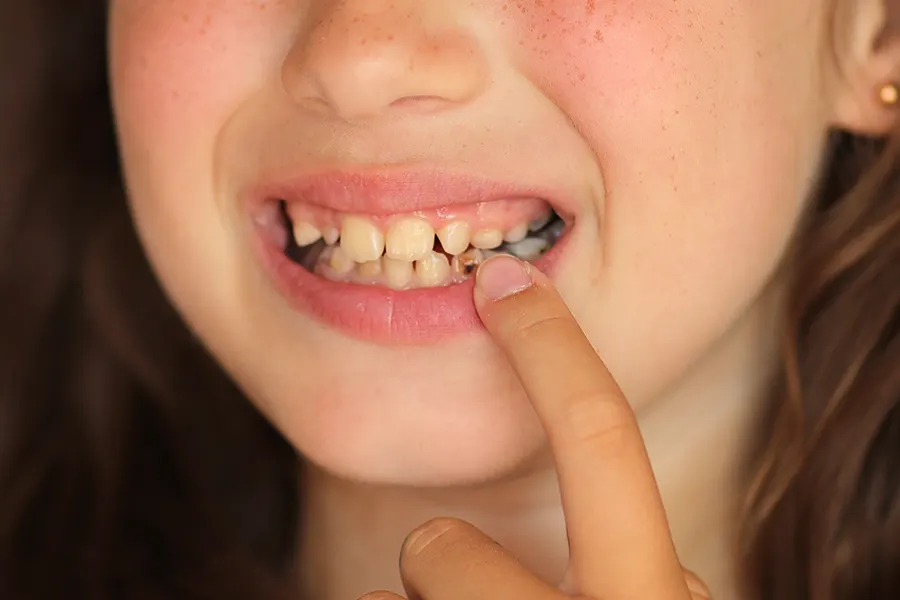
White spots on the teeth are often one of the first signs of dental caries. These spots indicate areas of demineralization, where the enamel has started to lose minerals due to acid attack. While they may be subtle and initially painless, their presence should be taken seriously as they represent an early stage of tooth decay.
Sensitivity to hot, cold, or sweet foods is another common early indicator of dental caries. This sensitivity occurs when the enamel is weakened or damaged, allowing external stimuli to reach the underlying dentin, which contains tiny tubules that lead to the tooth’s nerve center. If these symptoms are observed, it is essential to seek dental intervention to prevent further progression of tooth decay.
B. Advanced Symptoms of Dental Caries
As dental caries progress, the symptoms become more pronounced and require immediate attention. Visible holes or pits in the teeth are clear signs of advanced tooth decay. These cavities can trap food particles, leading to further bacterial growth and increased acid production. Toothache and discomfort are often experienced as the decay reaches deeper layers of the tooth, particularly the dentin and pulp, causing inflammation and irritation of the nerve endings.
In addition to surface-level signs, advanced dental caries can cause swelling or redness around the gums. This inflammation may be due to the spread of infection from the tooth to the surrounding gingival tissues or the development of an abscess. An abscess is a pocket of pus that forms as the body tries to fight off the bacterial infection, and it can be extremely painful, leading to swelling in the face or jaw, fever, and swollen lymph nodes. If such symptoms occur, professional dental treatment is essential to prevent further complications, including the potential loss of the affected tooth.
Preventive Measures
Preventive measures are crucial in maintaining optimal dental health and mitigating the risk of developing dental caries. By incorporating effective oral hygiene practices, dietary adjustments, and regular dental visits, individuals can significantly reduce the chances of tooth decay and other dental problems. The following points outline key strategies to prevent dental caries and ensure long-term dental well-being.
A. Good Oral Hygiene Practices
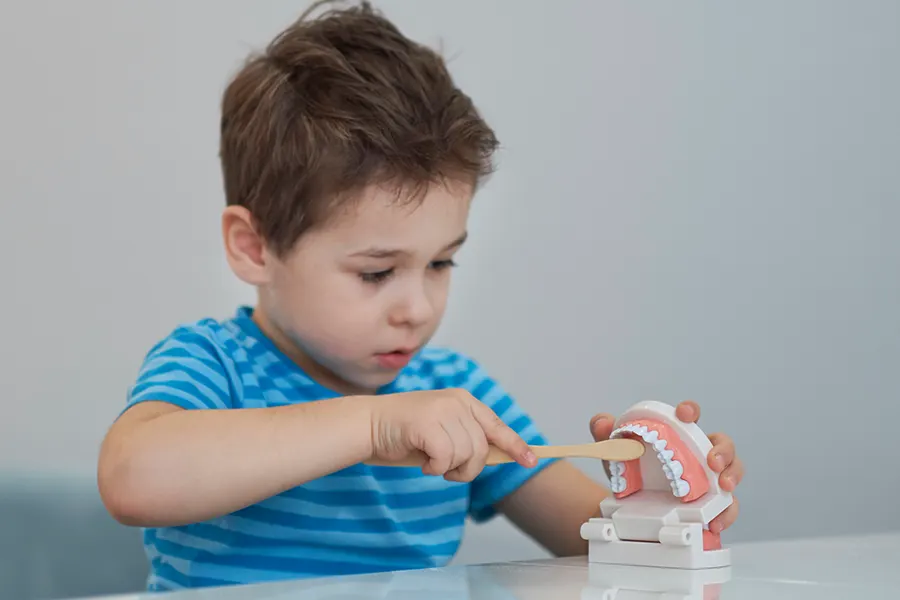
Regular brushing and flossing are foundational practices in preventing dental caries. It’s essential to teach children the proper techniques for brushing, which include using a soft-bristled toothbrush and fluoride toothpaste to gently clean all surfaces of the teeth. Brushing should be done at least twice a day, particularly after meals, to remove food particles and plaque. Flossing, on the other hand, helps to clean the areas between the teeth and under the gumline where a toothbrush cannot reach. It is recommended to floss at least once a day to ensure comprehensive cleaning.
B. The Role of Fluoride
Fluoride plays a significant role in strengthening tooth enamel and making it more resistant to acid attacks that cause dental caries. Communities with fluoridated water supplies have observed a significant reduction in the incidence of tooth decay among their populations. In addition to drinking fluoridated water, using fluoride toothpaste and mouth rinses can provide an additional layer of protection. Dental professionals may also apply fluoride treatments, such as varnishes or gels, during routine check-ups to offer further reinforcement against tooth decay.
C. Dietary Habits
Dietary habits have a profound impact on dental health. Consuming a balanced diet rich in fruits, vegetables, whole grains, and lean proteins can support overall health, including oral health. It’s advisable to limit the intake of sugary snacks and beverages, as sugars are the primary food source for the bacteria that cause dental caries. Encouraging children to drink water instead of sugary drinks and to eat fresh fruits instead of candy can significantly reduce the risk of tooth decay. Additionally, incorporating foods high in calcium, like dairy products, can help strengthen teeth and bones.
D. Regular Dental Visits
Regular dental visits are crucial for the early detection and management of dental issues. Children should start seeing a dentist by their first birthday, and appointments should continue every six months thereafter. These visits allow dental professionals to monitor the development of the teeth and gums, provide professional cleanings, and apply preventive treatments like sealants to protect the teeth from decay. Dental visits also provide an opportunity for parents and caregivers to discuss any concerns or ask questions about their child’s oral health.
The Role of Parents and Caregivers
The Importance of the Role of Parents and Caregivers and Pediatric Dentists
Parents and caregivers play a pivotal role in shaping their children’s oral health habits from a very young age. Their proactive involvement can set the foundation for a lifetime of healthy dental practices. Pediatric dentists are equally crucial, providing specialized knowledge and treatments to ensure optimal dental health for children. The collaboration between parents, caregivers, and pediatric dentists creates a comprehensive support system that promotes the well-being of young patients.
A. Daily Monitoring and Encouragement
Parents and caregivers are responsible for monitoring and encouraging their children’s daily oral hygiene practices. From ensuring proper brushing and flossing to supervising the use of fluoride toothpaste, their guidance is essential in teaching children the importance of maintaining clean teeth and gums. By making oral hygiene a routine part of daily life, children are more likely to adopt these habits independently as they grow older.
B. Educating and Instilling Good Habits
Educating children about the effects of sugary foods and beverages on their teeth and encouraging healthy eating habits also fall within the purview of parents and caregivers. By offering nutritious snacks and reducing sugary treats, they can significantly reduce the risk of dental caries. Engaging children in conversations about how food choices impact their oral health helps them understand the long-term benefits of a balanced diet.
C. Regular Dental Check-Ups and Professional Guidance
Routine dental visits are essential, and parents and caregivers must ensure that these appointments are scheduled and kept regularly. Pediatric dentists are trained to handle the unique dental needs of children, providing professional cleanings, preventive treatments, and tailored advice. By adhering to the recommended schedule of dental check-ups, potential issues can be identified and addressed early on, preventing more serious problems down the line. Moreover, these visits offer an opportunity for parents to gain valuable insights and advice from dental professionals regarding their child’s specific needs.
Conclusion
As we have explored throughout this guide, the importance of establishing and maintaining good oral health habits for children cannot be overstated. Key points to remember include the significance of proper and consistent oral hygiene practices, the protective benefits of fluoride, the impact of a balanced diet on dental health, and the necessity of regular dental check-ups. Each of these components plays a vital role in preventing dental caries and other oral health issues.
Prevention is undeniably the best approach when it comes to ensuring the long-term health of children’s teeth. By being proactive and vigilant, parents, caregivers, and pediatric dentists collectively contribute to creating a robust framework for healthy dental habits that children can carry into adulthood. Emphasizing the preventive measures discussed in this document can lead to a future where children experience fewer instances of tooth decay and enjoy healthier smiles.
In conclusion, fostering an environment that prioritizes good oral health practices sets the foundation for a lifetime of dental well-being. Whether it’s through daily monitoring and encouragement, educating children about healthy habits, or ensuring regular dental visits, each effort made by parents, caregivers, and dental professionals is a step towards a healthier future. By working together, we can help children develop strong, healthy teeth and instill positive habits that last a lifetime.