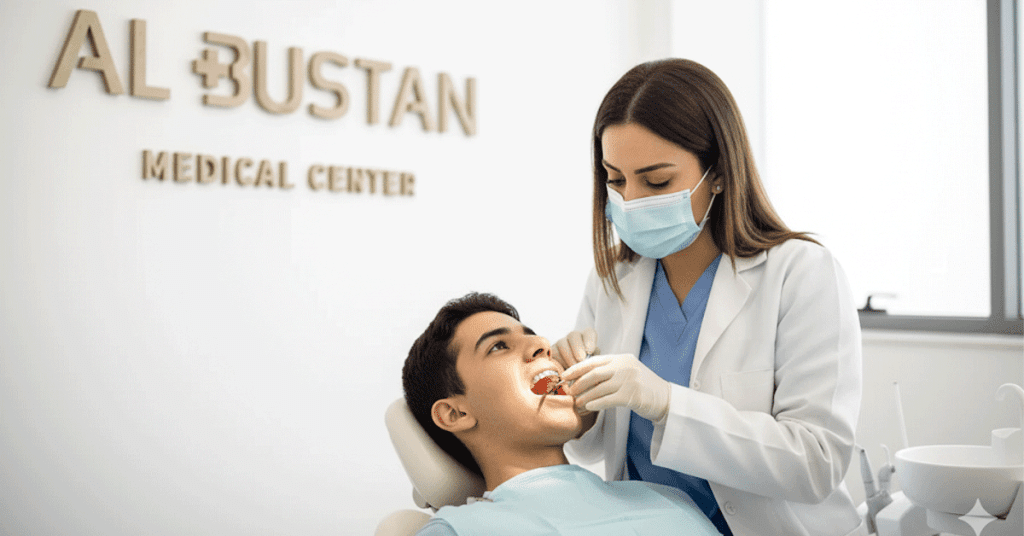
Early childhood caries (ECC) is a significant dental health issue affecting children worldwide. It is characterized by the rapid development of cavities in young children’s teeth, often resulting from prolonged exposure to sugary foods and inadequate oral hygiene practices. Timely treatment of ECC is crucial as untreated caries can lead to pain, infection, and even impact a child’s overall health and development.
At Al Bustan Plus Medical Center, we understand the importance of addressing Early Childhood Caries promptly and effectively. Our personalized services are designed to provide comprehensive care tailored to the needs of young patients, ensuring their oral health is safeguarded from an early age. We are committed to helping parents and caregivers understand the best practices for preventing and treating Early Childhood Caries, fostering lifelong dental health for their children.

Understanding Early Childhood Caries
A. Definition and Causes of Early Childhood Caries
What is early childhood caries?
Early childhood caries (ECC) is defined as the presence of one or more decayed, missing, or filled tooth surfaces in any primary tooth in a child under the age of six. Early Childhood Caries can begin soon after teeth erupt and often progresses rapidly, making it essential for early detection and intervention.
Common causes of Early Childhood Caries
The primary cause of Early Childhood Caries is frequent exposure of children’s teeth to sugary substances, which provides nourishment for bacteria such as Streptococcus mutans. These bacteria produce acids that erode tooth enamel, leading to cavities. Poor oral hygiene practices exacerbate this condition, allowing plaque to accumulate and further damaging the teeth.
B. Risk Factors of Early Childhood Caries
Age and developmental stages
The risk of developing Early Childhood Caries is highest in children between the ages of 1 and 3 years old, as this is a critical period for tooth development and eruption. At this stage, children are often still developing their oral hygiene habits and may not be as proficient in brushing and flossing their teeth.
Dietary habits and oral hygiene practices
Consuming foods and drinks high in sugar, such as sweets, juices, and sodas, significantly increases the risk of Early Childhood Caries. Additionally, improper or infrequent brushing and lack of flossing enable bacteria and plaque to thrive. Night-time bottle feeding, especially with sugary liquids, poses a high risk since sugar can remain on the teeth for extended periods.
Socioeconomic and environmental factors
Children from lower socioeconomic backgrounds are at a higher risk of Early Childhood Caries due to factors such as limited access to dental care, less awareness of proper oral hygiene practices, and diets loaded with sugary foods. Environmental factors, like the absence of fluoride in the water supply or other preventive measures, also contribute to the prevalence of Early Childhood Caries.

Recognizing the Symptoms of Early Childhood Caries
A. Early Signs of Early Childhood Caries
- White spots or lines on the teeth: The initial stage of Early Childhood Caries often presents as white spots or lines near the gum line on the teeth. These spots are areas of demineralization and indicate the early breakdown of enamel.
- Sensitivity to hot, cold, or sweet foods: Children may begin to experience discomfort or sensitivity when consuming hot, cold, or sugary foods and beverages. This sensitivity is a result of the enamel weakening and the beginning stages of cavity formation.
B. Advanced Symptoms of Early Childhood Caries
- Brown or black spots on the teeth: As Early Childhood Caries progresses, the white spots may turn into brown or black discolorations. These spots are indicative of further enamel decay and the presence of cavities.
- Visible cavities or holes: In more advanced stages, cavities or holes become noticeable on the teeth. These cavities can vary in size and depth, causing significant damage.
- Toothache and discomfort: Children with advanced Early Childhood Caries often experience persistent toothaches and discomfort, especially while eating or drinking. This pain is due to the cavities reaching the inner layers of the tooth, where nerves are located, potentially leading to infections and abscesses.
4. Treatment Options for Early Childhood Caries
A. Professional Dental Treatments
Fluoride Treatments
How fluoride helps in remineralization: Fluoride is a mineral that helps strengthen tooth enamel by promoting the remineralization process, where minerals are redeposited into the enamel after being removed by acids from plaque. It can reverse early signs of decay and make the teeth more resistant to future caries.
In-office fluoride varnish applications at Al Bustan Plus Medical Center: At Al Bustan Plus Medical Center, our dental professionals apply fluoride varnish directly to the teeth. This highly concentrated fluoride treatment is quick, non-invasive, and highly effective in reducing the risk of caries. The varnish hardens upon contact with saliva, allowing for a prolonged release of fluoride to strengthen the enamel.
Dental Sealants
Purpose and effectiveness of sealants: Dental sealants are protective coatings applied to the chewing surfaces of the back teeth (molars), where decay occurs most frequently. Sealants fill the grooves and pits, creating a smooth surface that is easier to clean and less likely to harbor bacteria and food particles.
Application process and benefits for preventing further decay: The application of dental sealants is a simple and painless procedure. After cleaning and drying the teeth, a special gel is applied to prepare the tooth surface. The sealant material is then painted onto the tooth and cured with a light to harden it. Sealants can last for several years and provide a long-lasting barrier against decay.
Restorative Treatments
Fillings: Types and materials used: If cavities are present, dental fillings are used to restore the tooth’s integrity. Various materials can be used for fillings, including composite resins, which match the tooth’s natural color, and amalgam, a durable and cost-effective option.
Crowns: When they are necessary and types available: In cases of extensive decay or damage, crowns may be necessary to restore the tooth’s function and appearance. Crowns cover the entire tooth and can be made from stainless steel, porcelain, or a combination of materials. Stainless steel crowns are commonly used for primary teeth due to their durability and cost-effectiveness.
5. Preventive Measures to Avoid Early Childhood Caries
A. Establishing Good Oral Hygiene Habits
- Importance of starting early with oral care routines: Developing good oral hygiene habits from a young age is crucial in preventing Early Childhood Caries. Parents should begin cleaning their child’s mouth even before the emergence of the first tooth, using a soft cloth to wipe the gums. Once teeth start appearing, brushing should begin with a small, soft-bristled toothbrush and a smear of fluoride toothpaste. Establishing these habits early sets the foundation for a lifetime of healthy oral care practices.
- Tips for teaching children how to brush and floss effectively: Teaching children to brush and floss effectively requires patience and consistency. Encouraging them to brush twice a day for two minutes each time and demonstrating the proper technique—placing the toothbrush at a 45-degree angle to the gums and using gentle, circular motions—can help. Introducing flossing as soon as two teeth touch and using floss picks or pre-threaded floss holders can make the process easier for small hands.
B. Regular Dental Visits
- Frequency of check-ups and cleanings: Regular dental check-ups play a crucial role in preventing Early Childhood Caries. Children should visit the dentist by their first birthday, and every six months thereafter. These visits allow for professional cleanings, early detection of potential problems, and reinforcement of good oral hygiene practices.
- What to expect during a pediatric dental visit at Al Bustan Plus Medical Center: At Al Bustan Plus Medical Center, pediatric dental visits are designed to be comfortable and stress-free for children. During a visit, the dentist will perform a thorough examination, clean the teeth, and provide guidance on brushing and flossing techniques. The dentist may also apply fluoride treatments or sealants to protect against cavities and discuss dietary habits that promote oral health.
C. Balanced Diet and Nutrition
- Foods that promote healthy teeth: A balanced diet is essential for maintaining healthy teeth. Foods rich in calcium and phosphorus, such as dairy products, lean meats, and leafy greens, help strengthen tooth enamel. Crunchy fruits and vegetables like apples and carrots stimulate saliva flow, which naturally cleanses the mouth and reduces the risk of decay.
- Limiting sugary and acidic foods and drinks: Reducing the intake of sugary and acidic foods and beverages is critical in preventing Early Childhood Caries. Sugary snacks, candies, and sodas contribute to the formation of plaque and acids that erode tooth enamel. Encouraging water as the primary beverage and reserving sweet treats for special occasions can significantly lower the risk of cavities.
D. Use of Fluoride and Sealants as Preventive Measures
- Benefits of community water fluoridation: Community water fluoridation is a widely endorsed public health measure that helps reduce cavities. Fluoride in drinking water provides ongoing protection by fortifying tooth enamel against the acids produced by bacteria in the mouth.
- Professional applications of sealants and fluoride treatments: Professional fluoride treatments and dental sealants provide an additional layer of defense against cavities. At Al Bustan Plus Medical Center, our dental professionals can apply these preventive measures during regular check-ups, ensuring that children’s teeth remain strong and healthy. Sealants and fluoride treatments work together to fill the gaps that brushing and flossing may miss, offering comprehensive protection against ECC.
6. Role of Parents and Caregivers in Managing Early Childhood Caries
A. Supervising Oral Hygiene
- Monitoring daily brushing and flossing practices: Parents and caregivers play a pivotal role in supervising their children’s oral hygiene routines. Daily monitoring of brushing and flossing ensures that children are not skipping these crucial steps and are using the right techniques. For younger children, parents should assist with brushing and flossing to guarantee thorough cleaning.
- Ensuring proper techniques are used: It’s important for parents to teach and reinforce proper brushing and flossing techniques. Demonstrating the correct way to brush—holding the toothbrush at a 45-degree angle to the gums and using gentle, circular motions—helps children develop good habits. For flossing, showing how to gently slide the floss between teeth and curve it around the gumline can prevent gum injury and promote effective plaque removal.
B. Positive Reinforcement and Education
- Encouraging children to take care of their teeth: Using positive reinforcement to encourage good oral hygiene can be very effective. Praise and rewards for consistent brushing and flossing can motivate children to maintain these habits. Education is also key; explaining the reasons behind oral care routines and the benefits of healthy teeth helps children understand the importance of their efforts.
- Making dental care a fun and engaging activity: Parents can make dental care enjoyable by turning it into a fun and engaging activity. Using colourful toothbrushes, flavoured toothpaste, and interactive apps or songs designed for brushing can make the process more appealing. Creating a routine that integrates these elements helps children look forward to their daily oral care practices.
C. Recognizing Early Signs and Seeking Prompt Treatment
- Importance of early detection and intervention: Early detection of dental issues by parents can lead to prompt intervention and prevent the progression of Early Childhood Caries. Parents should be vigilant about changes in their child’s teeth, such as white spots, discoloration, or any complaints of pain or sensitivity. Awareness and timely response can save a child from extensive dental procedures and discomfort.
- Scheduling regular dental appointments at Al Bustan Plus Medical Center: Ensuring children attend regular dental appointments is crucial for ongoing oral health. Bi-annual visits to Al Bustan Plus Medical Center in Deerfields Mall, Al Shahama allow for professional cleanings, thorough examinations, and early detection of potential issues. The dental team can provide tailored advice and interventions to maintain and improve the child’s oral health.
7. Conclusion
Maintaining healthy teeth in children requires a multifaceted approach that includes proper oral hygiene habits, a balanced diet, the use of preventive measures like fluoride and sealants, and regular dental visits. By integrating these key elements into the daily routine, parents and caregivers can significantly reduce the risk of Early Childhood Caries (ECC) and ensure that their children enjoy a lifetime of good oral health.
Proactive dental care is essential in fostering positive lifelong habits. Encouraging children to brush and floss regularly, making dental care fun and engaging, and staying vigilant for early signs of dental issues play a pivotal role in this process. Furthermore, professional guidance from trusted dental professionals like those at Al Bustan Plus Medical Center provides invaluable support. Regular check-ups, preventive treatments, and personalized advice help maintain the child’s oral health and address any concerns promptly.
In conclusion, prioritizing dental care from an early age sets the foundation for a healthy and confident smile. Parents and caregivers, in collaboration with dental professionals, have the power to make a significant impact on their child’s oral health journey. We invite you to book an appointment with Al Bustan Plus Medical Center, where our comprehensive dental care services are designed to cater to your child’s unique needs, ensuring they achieve optimal oral health and well-being.