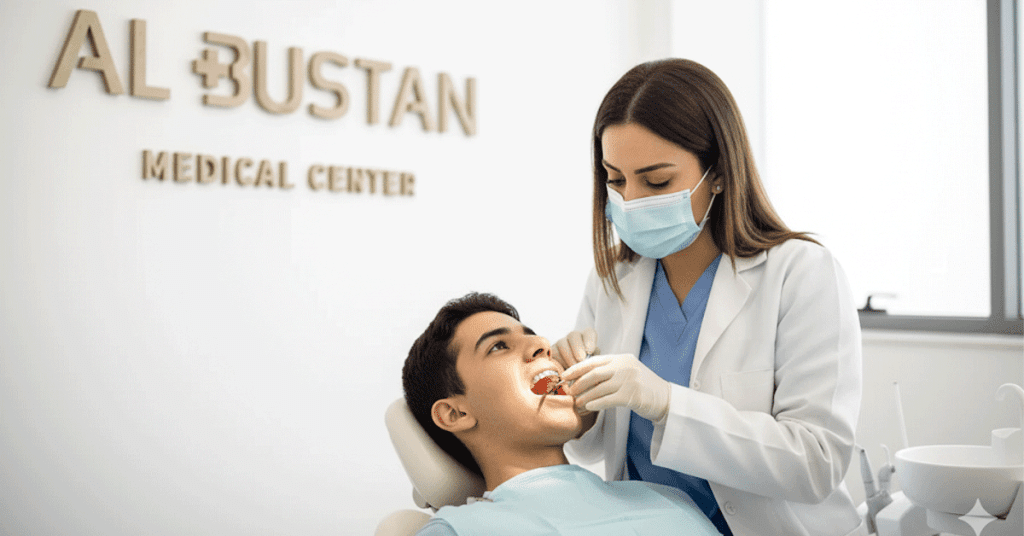
Establishing good dental hygiene habits early in life is crucial for maintaining healthy teeth and gums in children. Proper brushing techniques can prevent cavities, gum disease, and other dental issues, ensuring that kids have strong, healthy smiles as they grow. At Al Bustan Plus Medical Center, we are dedicated to promoting pediatric dental health through comprehensive education and personalized care. In this blog, we will explore the best practices for teaching kids how to brush their teeth, tips for making the process fun and engaging, and the importance of regular dental check-ups.

Why Dental Hygiene is Important for Kids
Long-term Benefits of Good Dental Habits
Establishing good dental hygiene from an early age sets the foundation for a lifetime of healthy teeth and gums. Children who learn to brush and floss correctly are less likely to experience dental problems as adults. Consistent oral hygiene practices help prevent tooth decay, which can lead to complications such as toothaches, infections, and even tooth loss. Maintaining healthy teeth also contributes to overall well-being, as oral health is closely linked to heart health, diabetes management, and other systemic conditions.
Common Dental Issues in Children
Tooth decay, also known as cavities, is one of the most prevalent chronic diseases in children. According to the Centers for Disease Control and Prevention (CDC), about 1 in 5 children aged 5 to 11 years have at least one untreated decayed tooth. Poor dental hygiene can also lead to gum disease, which can cause swollen and bleeding gums, bad breath, and eventually, periodontitis if left untreated. Teaching kids proper brushing and flossing techniques can significantly reduce the risk of these common dental issues.
The Role of Parents in Establishing These Habits
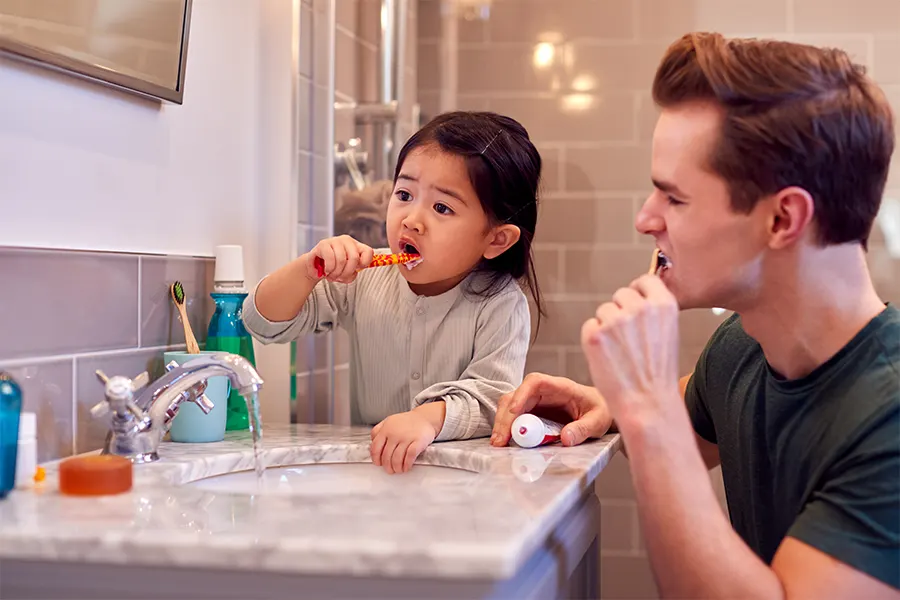
Parents play a crucial role in instilling good dental habits in their children. By setting a positive example and making dental care a family routine, parents can encourage their kids to follow suit. It’s important for parents to supervise their children’s brushing and flossing, especially in the early years, to ensure they are cleaning their teeth effectively. Creating a fun and engaging environment, such as using songs, videos, or reward systems, can also motivate children to regularly care for their teeth. Additionally, regular dental check-ups are essential in monitoring a child’s oral health and catching any potential problems early on.
When to Start Teaching Your Child to Brush
Recommendations on the Appropriate Age to Start Brushing
It is never too early to establish healthy dental habits in children. Pediatric dentists recommend starting oral care from infancy. For infants, parents can gently wipe the baby’s gums with a clean, damp cloth after feedings to remove any residue and bacteria. Once the first tooth emerges, typically around six months of age, it is time to introduce a soft-bristled toothbrush designed for infants. Using a tiny smear of fluoride toothpaste, parents can begin brushing their child’s teeth twice daily to ensure proper dental hygiene from the start.
Tips for Parents of Infants, Toddlers, and Older Children
For infants and toddlers, making brushing a part of the daily routine is key. Sing a favorite song or create a playful game to make the process enjoyable. Parents should brush their child’s teeth until they have the motor skills to do it effectively on their own, usually around age six. Even then, supervision is necessary to ensure thorough brushing. For older children, letting them pick out their toothbrush and toothpaste can provide a sense of ownership and make brushing more appealing. Interactive brushing apps and educational videos can also motivate children and emphasize the importance of proper dental care.
Importance of Early Dental Visits and Advice from Pediatric Dentists
Scheduling the first dental visit by the child’s first birthday is crucial for establishing a strong foundation for oral health. Early visits allow pediatric dentists to assess the child’s oral development, provide personalized advice, and identify any potential issues before they become serious problems. Pediatric dentists can guide parents on proper brushing techniques, appropriate fluoride use, and diet recommendations to support dental health. Regular visits, typically every six months, ensure continual professional monitoring and foster a positive relationship between the child and their dentist, encouraging a lifetime of good dental habits.
Choosing the Right Toothbrush and Toothpaste
When it comes to fostering good dental hygiene in children, selecting the right tools is essential. Here’s a detailed explanation for each point to help parents make informed decisions:
Guidelines for Selecting Age-Appropriate Toothbrushes
Choosing a toothbrush tailored to a child’s age is crucial for effective brushing and comfort. For infants, a soft-bristled toothbrush with a small head is ideal to gently clean their tiny teeth and gums. For toddlers, a toothbrush with a slightly larger head and a non-slip grip can help them learn to brush on their own. As children grow, transitioning to a toothbrush with medium-soft bristles and an ergonomic handle can improve brushing efficiency and encourage longer brushing times. Look for brushes with fun designs or characters that can make brushing a more enjoyable experience.
Recommendations for Kid-Friendly Toothpaste (Fluoride vs. Non-Fluoride)
Selecting the right toothpaste is equally important. For children under three, a smear of fluoride toothpaste about the size of a grain of rice is recommended. Fluoride helps to strengthen enamel and prevent tooth decay. For children aged three to six, a pea-sized amount of fluoride toothpaste should be used. Non-fluoride toothpaste is available as an alternative, particularly for those concerned about the risk of fluorosis, but fluoride remains essential for combating cavities. Kid-friendly toothpaste often comes in appealing flavours such as bubblegum or strawberry, which can make the brushing experience more pleasant.
Tips on Replacing Toothbrushes Regularly
Regularly replacing your child’s toothbrush is vital to maintaining proper oral hygiene. Toothbrushes should be replaced every three to four months, or sooner if the bristles become frayed or worn. Worn-out bristles are less effective at removing plaque and debris, which can compromise dental health. Additionally, it’s a good practice to replace the toothbrush after your child has been ill to avoid the risk of re-infection. Keeping an eye on the condition of their toothbrush and making replacements part of the routine can ensure that your child always has an effective tool for maintaining their oral hygiene.
By following these guidelines, parents can provide their children with the best dental care possible, setting them on the path to a lifetime of healthy smiles.
Step-by-Step Guide to Brushing Teeth for Kids
Teaching children how to brush their teeth effectively is an essential part of their oral hygiene education. Here’s a detailed step-by-step guide to ensure they develop proper brushing habits:
- Using the Right Amount of Toothpaste:
- For children under three years old, use a smear of fluoride toothpaste about the size of a grain of rice. For children aged three to six, a pea-sized amount is sufficient. This ensures they get the benefits of fluoride while minimizing the risk of swallowing too much toothpaste.
- Proper Brushing Techniques:
- Angling the Brush: Teach your child to hold the toothbrush at a 45-degree angle to the gums. This angle helps remove plaque and food particles stuck at the gum line.
- Gentle Circles: Instruct them to use gentle, circular motions rather than vigorous back-and-forth scrubbing. Circular brushing is more effective at cleaning all surfaces of the teeth and is gentler on the gums.
- Cover All Areas: Encourage them to brush the outer surfaces, inner surfaces, and chewing surfaces of all teeth. Remind them not to forget the back teeth where plaque can easily build up.
- Two-Minute Rule: Make sure they brush for at least two minutes. You can use a timer or a two-minute song to make sure they brush for the right amount of time.
- Brushing the Tongue: Finally, guide them to gently brush their tongue, which helps remove bacteria and keep their breath fresh.
- Encouraging Kids to Brush Twice a Day:
- Establish a routine of brushing once in the morning and once before bedtime. Consistency is key to developing good habits.
- Make brushing fun by allowing them to choose their favourite toothbrush and toothpaste flavours.
- Use reward systems such as stickers or a star chart to motivate and encourage them to brush regularly.
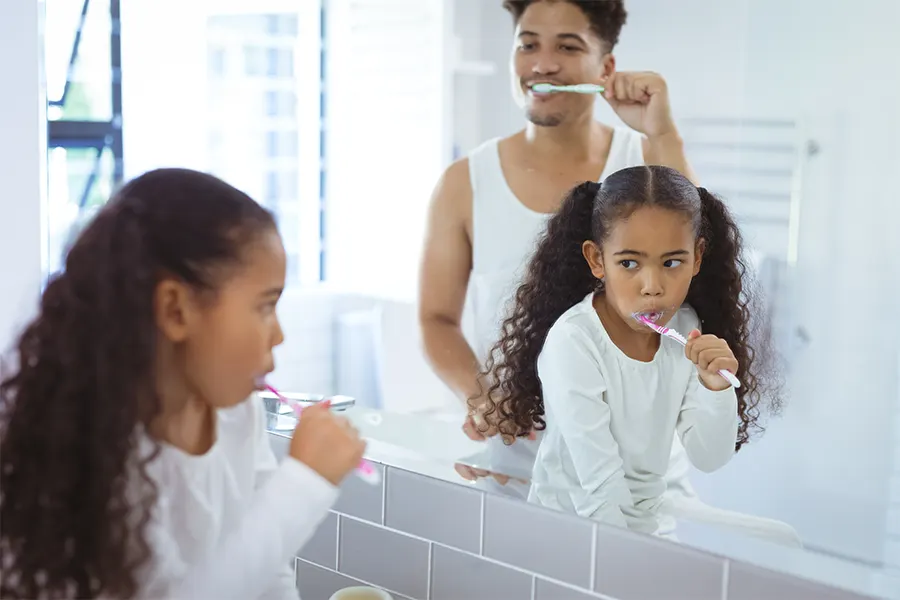
- Lead by example by brushing your teeth alongside them, turning it into a family activity.
By following these steps, parents can effectively teach their children the importance of good oral hygiene and ensure they brush their teeth correctly, setting them up for a lifetime of healthy dental habits.
Making Brushing Fun and Engaging
When it comes to making brushing time fun and engaging, incorporating various techniques can help motivate children and turn this essential activity into an enjoyable routine.
Using Songs, Games, or Apps
Music and playful activities can transform brushing from a mundane task into a delightful experience. There are numerous toothbrush timer songs available online, specifically composed to last for two minutes—the recommended brushing duration. Singing these songs or playing them on a device while brushing can keep children entertained and ensure they brush for the appropriate amount of time. Additionally, several apps are designed to make brushing fun, featuring interactive games and characters that guide children through their brushing routine. These apps often reward users for regular brushing, further encouraging consistency.
Allowing Kids to Choose Their Toothbrush and Toothpaste
Empowering children by letting them choose their own toothbrush and toothpaste can significantly boost their enthusiasm for brushing. Toothbrushes come in various colours, shapes, and designs, featuring popular characters from cartoons and movies which can make them more appealing to children. Similarly, kid-friendly toothpaste is available in a variety of flavours such as bubblegum, strawberry, and fruity mixtures that can make brushing a more pleasant sensory experience. Allowing kids to have a say in selecting these products can foster a sense of ownership and excitement about maintaining their oral hygiene.
Incorporating Rewards and Positive Reinforcement
Reward systems can be highly effective in encouraging children to develop good brushing habits. Parents can create a sticker chart or a star chart where children earn stickers or stars each time they brush their teeth thoroughly. After accumulating a certain number of rewards, children can earn a small prize or privilege, such as an extra story at bedtime or a fun outing. Positive reinforcement, such as praising children for their efforts and progress, can also boost their confidence and motivation. By celebrating their achievements, parents can instil a sense of pride and importance in maintaining good dental hygiene.
By combining these approaches, parents can make brushing a fun and engaging activity for children, helping them develop healthy habits that will benefit them for a lifetime.
Common Challenges and Solutions
While teaching children the importance of brushing their teeth is crucial, parents often encounter several common challenges. Here are some practical solutions to address these issues:
Addressing Resistance to Brushing
One of the most common challenges parents face is children’s resistance to brushing their teeth. Kids may see it as a boring chore or might simply be too tired or inattentive to cooperate. To overcome this, try making brushing a fun and routine part of their day. Play their favourite brushing song or use a toothbrush with their favourite character. Establishing a clear and consistent routine helps, as children typically thrive with structure. Additionally, brushing alongside your child can turn it into a family activity, providing the added benefit of modelling good behaviour.
Dealing with Sensitive Teeth or Gums
Some children may experience discomfort or pain due to sensitive teeth or gums, which can make them reluctant to brush. To help alleviate this problem, ensure they’re using a soft-bristled toothbrush and toothpaste designed for sensitive teeth. These products are gentler and can help reduce irritation. Teach your child to brush softly, avoiding harsh or aggressive movements that could aggravate sensitivity. If the problem persists, consult with a pediatric dentist to rule out any underlying issues and get further advice on how to manage the sensitivity.
Making Brushing a Routine Part of the Day
Incorporating brushing into the daily routine can be a hurdle, especially during busy mornings and bedtime when children might be more resistant. To make brushing a non-negotiable part of the day, tie it to existing predictable routines. Brushing can be scheduled right after breakfast and before bedtime stories, making it an integral part of starting and ending the day. Visual aids like a fun calendar or a colourful chart can provide visual cues and help children anticipate and prepare for brushing time. Celebrate consistency with small rewards to reinforce the habit.
By addressing these common challenges with practical solutions, parents can ensure their children maintain a healthy and effective dental hygiene routine, laying the groundwork for lifelong oral health.
The Role of Diet in Dental Health
A balanced diet not only contributes to overall wellbeing but also plays a pivotal role in maintaining dental health. Providing your child with the right nutrients can help keep their teeth and gums healthy, fight off cavities, and ensure strong dental development. Here’s an exploration of the key points regarding diet and dental health:
Importance of a Balanced Diet for Healthy Teeth
A diet rich in essential nutrients supports the development and maintenance of strong teeth and healthy gums. Vitamins and minerals such as calcium, phosphorus, vitamin D, and vitamin C are crucial for dental health. Calcium and phosphorus aid in the formation and remineralization of tooth enamel, while vitamin D enhances calcium absorption. Vitamin C is necessary for healthy gum tissue, preventing issues like gum disease. A balanced diet ensures your child gets these critical nutrients, contributing to robust dental health.
Foods That Are Good for Dental Health
Certain foods naturally promote dental health and should be included in your child’s diet. Dairy products like milk, cheese, and yogurt are excellent sources of calcium and phosphates, strengthening tooth enamel. Leafy greens such as spinach and kale provide vitamins and minerals, including calcium and folic acid, beneficial for oral health. Crunchy fruits and vegetables like apples, carrots, and celery act as natural toothbrushes, stimulating saliva flow, which helps wash away food particles and neutralize acids. Nuts and seeds also contribute valuable nutrients and help maintain healthy teeth.
Foods and Drinks to Avoid or Consume in Moderation
While some foods support dental health, others can lead to dental problems if consumed excessively. Sugary snacks and drinks, including sweets, sodas, and fruit juices, promote tooth decay. Bacteria in the mouth feed on sugar, producing acids that erode tooth enamel and lead to cavities. Acidic foods and beverages, such as citrus fruits and soda, can also weaken enamel and increase susceptibility to decay. Sticky foods like dried fruits can adhere to teeth, providing a breeding ground for bacteria. Moderation is key, and encouraging your child to rinse their mouth with water or brush their teeth after consuming sugary or acidic items can help mitigate potential damage.
By understanding the impact of diet on dental health and making informed dietary choices, parents can significantly contribute to their children’s oral hygiene. A nutrient-dense, balanced diet, coupled with good oral hygiene practices, lays the foundation for a lifetime of healthy teeth and gums. Read our blog Top 10 Best & Worst Foods for Kids’ Teeth.
Regular Dental Check-ups
Importance of Regular Visits to the Pediatric Dentist
Regular dental check-ups play a crucial role in ensuring your child’s oral health. Pediatric dentists specialize in treating children’s dental needs and can address issues unique to their developmental stage. These visits help in the early detection of potential problems such as cavities, misalignment, or gum disease, allowing for timely intervention and treatment. Additionally, routine check-ups provide an opportunity to reinforce good oral hygiene habits and educate both parents and children on preventative care practices. Consistent visits to the dentist build a foundation for lifelong dental health.
What to Expect During a Pediatric Dental Visit
A typical pediatric dental visit is designed to be as comfortable and stress-free as possible for both the child and the parent. The appointment usually begins with a thorough examination of the child’s teeth, gums, and mouth to check for any signs of decay, infection, or other issues. Professional cleaning may follow, where plaque and tartar are removed, which cannot be achieved through regular brushing alone. The dentist will also apply fluoride treatment if necessary to strengthen the tooth enamel and prevent cavities. X-rays may be taken to provide a detailed view of the teeth and jawbone structure, helping to identify any problems not visible to the naked eye. The visit concludes with personalized advice on maintaining good oral hygiene and a discussion about any specific concerns or questions the parents might have.
How to Prepare Your Child for a Dental Appointment
Preparing your child for a dental visit can help reduce anxiety and ensure a smoother experience. Explain the importance of the check-up in simple, positive terms, avoiding any language that might cause unnecessary fear. Reading children’s books about visiting the dentist or role-playing a dental visit at home can familiarize your child with what to expect. Choose an appointment time when your child is usually well-rested and not hungry to avoid unnecessary fussiness. Bringing along a favourite toy or comfort item can also help soothe any nervousness. Encouraging good behaviour at the dentist by praising or rewarding your child after the appointment can further ease future visits.
For more specialized care, consider visiting Dr. Ghalia Balish, a renowned pediatric dentist known for her gentle approach and expertise in managing children’s dental health.
Additional Resources and Support
When it comes to maintaining your child’s dental health, a variety of additional resources and support mechanisms can be incredibly beneficial. Here are some detailed explanations of these resources:
- Information about educational resources on dental health for kids:
Educational resources such as pamphlets, websites, and videos provide valuable information tailored to children. These resources often break down complex dental hygiene concepts into easy-to-understand, engaging lessons. Schools, pediatric dental clinics, and community health organizations frequently offer free or low-cost materials that can educate children about the importance of brushing, flossing, and regular dental check-ups.
- Links to interactive websites or apps that promote good brushing habits:
Technology offers innovative solutions to help children develop good oral hygiene habits. Interactive websites and apps often feature fun activities like games, challenges, and tutorials that make brushing and flossing exciting. For instance, apps can remind children when it’s time to brush and use gamification to reward them for consistent effort, helping to build a routine. Websites like Colgate’s Kids’ World provide a plethora of engaging content on dental health.
- Books or videos recommended for teaching kids about dental hygiene:
Books and videos designed for children can be a great way to introduce dental hygiene concepts. Popular children’s books about visiting the dentist or taking care of teeth use storytelling to remove the fear and make the topic approachable. Videos featuring beloved characters teaching proper brushing techniques can capture children’s attention and serve as a visual guide. Titles like The Berenstain Bears Visit the Dentist or videos from channels like Blippi are well-received by kids and effective in conveying the importance of dental health.
By leveraging these additional resources, parents can help ensure their children adopt and maintain healthy dental habits that will benefit them for a lifetime.
About Al Bustan Plus Medical Center
Al Bustan Plus Medical Center is a leading healthcare facility dedicated to providing comprehensive medical services to the community. It is renowned for its commitment to high standards of patient care, advanced medical technology, and a skilled team of healthcare professionals. The medical center offers a wide range of services, ensuring that patients receive holistic, multidisciplinary care.
Al Bustan Plus Medical Center is strategically located in Deerfields Mall, Al Shahama to serve residents in and around Abu Dhabi. The center is equipped with state-of-the-art medical technology and staffed by experienced professionals in various medical fields, including general medicine, pediatrics, dermatology, dentistry, and others. The facility prioritizes patient-centered care, ensuring that each visitor receives personalized attention and treatment plans tailored to their specific needs. The center is also known for its clean, welcoming environment aimed at making patients feel comfortable and cared for during their visits.
Al Bustan Plus Medical Center is particularly proud of its Pediatric Dental Clinic also known as Al Bustan+ Juniors, situated in the Al Shahama district of Abu Dhabi. This specialized clinic focuses exclusively on the dental health of children, delivering exceptional care designed to address the unique needs of young patients. The Pediatric Dental Clinic is equipped with kid-friendly amenities and staffed by compassionate dental professionals who are experts in pediatric dentistry. Their approach combines gentle techniques with a friendly, reassuring demeanor to ensure that children have positive dental experiences. The clinic provides a range of services, including routine check-ups, fillings, orthodontic assessments, and preventative care.
Conclusion
Teaching kids to brush their teeth effectively is an essential habit that sets the foundation for their long-term dental health.
Encouraging good dental habits from an early age not only helps prevent cavities and dental issues but also instills a sense of responsibility in children towards their overall health. Parents play a pivotal role in guiding their children by employing educational resources, interactive tools, and engaging media to make learning about dental hygiene fun and effective. By providing consistent support and reinforcing these habits at home, parents can ensure their children grow up with healthy smiles and an appreciation for their oral health. For tailored advice and professional dental care, scheduling a visit to Al Bustan Plus Medical Center’s Pediatric Dental Clinic is an excellent step towards securing a bright dental future for your child.