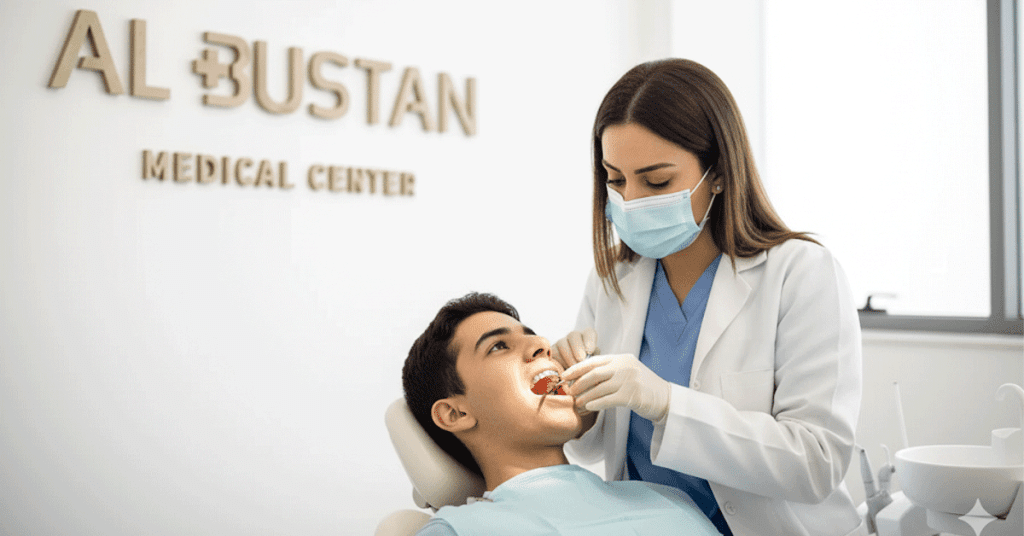
The importance of maintaining good dental health from a young age cannot be overstated. Healthy teeth and gums are fundamental to a child’s overall health and well-being, influencing everything from their ability to eat and speak properly to their self-esteem and social development. Dental health in children sets the groundwork for healthy oral habits that can last a lifetime, preventing a range of issues that could affect them both in childhood and later in life. Surprisingly, many common dental problems in children are entirely preventable with appropriate care and early intervention. This piece aims to shed light on prevalent dental issues faced by children, providing parents and caregivers with crucial knowledge and tools to ensure their young ones’ smiles remain bright and healthy for years to come.

Children are particularly susceptible to a range of dental issues that, if not addressed early, can lead to discomfort, pain, and lasting damage. Understanding these common problems is the first step in prevention. These common dental problems that children face are:
I. Tooth Decay (Cavities)
Tooth decay, often referred to as cavities or dental caries, is the process by which the enamel (the hard, outer surface of the tooth) is destroyed due to the acid produced when bacteria break down sugar in the mouth. This is one of the most common health problems affecting children worldwide. The main causes of tooth decay include poor oral hygiene practices, frequent snacking on sugary foods and beverages, and not getting enough fluoride, which helps protect the enamel.
Symptoms of tooth decay can range from no apparent symptoms in the early stages to tooth sensitivity, visible holes or pits in the teeth, pain when biting down, and even toothaches if the decay reaches the inner layers of the tooth. It’s vital for parents to watch for these signs and maintain regular dental checkups for their children to catch and treat cavities early.
Preventing tooth decay is primarily focused on good oral hygiene practices. Encouraging children to brush their teeth at least twice a day with fluoride toothpaste, floss daily, and limit intake of sugary snacks and drinks can significantly reduce their risk of developing cavities. Additionally, regular dental visits for cleanings and check-ups play a crucial role in prevention. Here, dentists can apply fluoride treatments to strengthen tooth enamel and place dental sealants on the back teeth where decay most often starts.
If tooth decay occurs, several dental treatments are available depending on the severity. Early stages can often be treated with fluoride treatments, which can help to restore enamel. More advanced decay may require fillings, where the decayed material is removed and replaced with a filling material. In cases of severe decay, a crown may be needed to cover and protect the tooth. It’s essential to address tooth decay early to prevent more invasive treatments like root canals or tooth extraction.
II. Gum Disease (Gingivitis)
Gum disease in children, commonly referred to as gingivitis, is an inflammation of the gum tissue that can progress to affect the bone surrounding and supporting the teeth. The early stage of gum disease is characterized by red, swollen gums that may bleed easily during brushing or flossing. Although gingivitis is preventable and reversible with proper oral care, it can lead to more severe conditions like periodontitis if left untreated, potentially causing tooth loss and other serious health complications.
- Causes and Risk Factors
Gingivitis in children can be attributed to various factors. Poor oral hygiene is a primary cause, as it allows plaque, a sticky film of food debris, bacterial, and saliva, to build up on the teeth and harden into tartar if not removed. This buildup irritates the gum tissue, leading to gingivitis. Other risk factors include improper nutrition, certain medical conditions (like diabetes), and even genetic predisposition. Habits such as thumb-sucking or ill-fitting orthodontic appliances can also contribute to gum issues.
- Signs and Symptoms
Early signs of gingivitis include gums that are red, swollen, and tender, bleeding gums during brushing or flossing, and bad breath that doesn’t go away. It’s crucial for parents to monitor their children’s oral health and look out for these symptoms, as early detection can make treatment more straightforward and effective.
- Prevention Strategies
Preventing gingivitis involves maintaining a robust oral hygiene routine. This includes brushing teeth at least twice a day with fluoride toothpaste, flossing daily to remove plaque from between the teeth and under the gum line, and visiting the dentist regularly for check-ups and professional cleanings. A balanced diet low in sugary snacks and drinks also helps prevent plaque buildup and supports overall dental health.
- Dental Treatments
If gingivitis is diagnosed, various treatments can help reverse the condition and restore healthy gums. Professional cleaning by a dentist or dental hygienist is the first step, removing plaque and tartar buildup from above and below the gum line. Scaling and root planing may be required for more severe cases, where the dentist cleans the roots of the teeth to remove plaque and tartar from deep gum pockets. Additionally, the dentist may recommend an antibacterial mouthwash to help reduce bacteria in the mouth. Education on proper brushing and flossing techniques is also vital to ensure effective oral hygiene practices are followed at home.
By understanding gum disease (gingivitis) in children, recognizing its signs and symptoms, and implementing prevention strategies, parents can help safeguard their children’s oral health. With proper care, gingivitis can be prevented or successfully treated, ensuring a healthy foundation for a lifetime of dental wellness.
III. Malocclusion (Misaligned Teeth)
Malocclusion, often referred to as misaligned teeth, is a common dental issue affecting children and adults alike. It encompasses various conditions such as overbite, underbite, crossbite, and teeth that are crowded or spaced apart unusually. These misalignments can affect the way a person chews, speaks, and maintains oral hygiene, potentially leading to difficulties in cleaning the teeth, increased risk of tooth decay, and strain on the jaw muscles.
- Types of Malocclusion
The primary types of malocclusion include Class I, where the bite is normal but the teeth are crowded or too far apart; Class II, characterized by an overbite where the upper teeth protrude over the lower teeth; and Class III, which is less common and involves an underbite with the lower teeth protruding beyond the upper teeth.
- Causes and Risk Factors
The causes of malocclusion are varied and can often be attributed to a combination of genetic factors and environmental influences. Genetic predisposition can play a significant role, but habits such as thumb-sucking, prolonged use of a bottle or pacifier, and loss of teeth without timely dental intervention can also contribute to the development of malocclusion. Additionally, injuries to the jaw can result in alignment issues.
- Signs and Symptoms
Signs of malocclusion include visibly misaligned teeth, difficulty in chewing or biting, speech difficulties, and an uneven facial appearance. It may also lead to more frequent biting of the inner cheeks or tongue and discomfort when chewing or biting.
- Prevention Methods
While genetic factors make it hard to prevent malocclusion, early orthodontic evaluations can help identify potential issues before they fully develop. Encouraging children to avoid thumb-sucking and other habits that can affect jaw development is also crucial.
- Dental Treatments
For those diagnosed with malocclusion, several treatment options are available. Braces are the most common, suitable for a wide range of misalignments by applying consistent pressure to the teeth to slowly move them into a better position. Invisalign, a series of clear aligners, offers a less visible alternative to traditional braces and is popular among teens and adults. Retainers may be used post-treatment to maintain the new position of the teeth. In severe cases, surgical intervention may be necessary to correct the jaw’s alignment.
By addressing malocclusion early, individuals can enjoy improved oral health, aesthetic improvement, and a reduction in potential oral health issues, highlighting the importance of regular dental check-ups and orthodontic evaluations.
IV. Tooth Sensitivity
- Definition and causes.
- Common triggers.
- Prevention tips (fluoride toothpaste, soft-bristled toothbrush).
- Dental treatments:
- Desensitizing toothpaste.
- Fluoride varnish.
- Dental bonding.
- Root canal treatment in severe cases.
Tooth sensitivity, often described as a sudden, sharp pain or discomfort in the teeth when encountering certain stimuli, affects a significant portion of the population. This condition can result from the exposure of the dentin, the softer layer beneath the enamel, which is protected under normal conditions. Common triggers include hot, cold, sweet, or acidic foods and drinks, as well as cold air.
The primary causes of tooth sensitivity include worn tooth enamel from aggressive brushing or acidic foods and beverages, tooth erosion due to bulimia or gastroesophageal reflux disease (GERD), gum recession that leaves the root surface exposed, and chipped or fractured teeth which expose the dentin or inner pulp.
Preventing tooth sensitivity involves adopting a gentle brushing technique with a soft-bristled toothbrush, using fluoride toothpaste to strengthen tooth enamel, and avoiding foods and drinks with high acidity levels. It’s also essential to maintain regular dental check-ups to identify and treat any early signs of conditions that may contribute to sensitivity.
- Dental Treatments
For those already experiencing tooth sensitivity, dental treatments are available to alleviate discomfort and protect the teeth. Desensitizing toothpaste contains compounds that help block transmission of sensation from the tooth surface to the nerve. Fluoride varnish can be applied by a dentist to the sensitive areas of the teeth to strengthen enamel and reduce pain. Dental bonding, another treatment option, involves the application of a tooth-colored resin to protect exposed root surfaces. In severe cases where other treatments fail to relieve sensitivity, a root canal may be performed to remove the tooth’s pulp and eliminate the cause of the pain.
By understanding the causes of tooth sensitivity and adhering to preventive measures, individuals can significantly reduce their chances of developing this uncomfortable condition. When sensitivity does occur, timely intervention and appropriate dental treatment can provide relief and restore oral health.
V. Toothaches and Dental Emergencies
- Common causes of toothaches in children.
- Signs of dental emergencies.
- Immediate actions to take.
- Prevention measures (regular dental check-ups).
- Dental treatments:
- Tooth extraction.
- Root canal therapy.
- Dental crown placement.
Toothaches are a common but distressing ailment that can affect individuals of all ages, including children. The primary causes in younger populations often stem from tooth decay, dental cavities, and emerging teeth, but can also include more serious conditions such as abscesses or infections. Recognizing the signs of a dental emergency is crucial for parents and caregivers to ensure timely and effective treatment. Some key indicators include severe pain, swelling, a fever, or a visible injury to the teeth or gums.
In the event of a dental emergency, immediate actions can include rinsing the mouth with warm water, using cold compresses to reduce swelling, and taking over-the-counter pain relief if necessary. However, these measures are temporary, and seeking professional dental advice as soon as possible is essential.
Prevention plays a vital role in reducing the occurrence of toothaches and dental emergencies. Regular dental check-ups allow for early detection and treatment of issues before they escalate. Maintaining good oral hygiene practices, such as brushing twice a day, flossing daily, and avoiding excessive sugary snacks, can also help prevent tooth decay and gum disease, common culprits behind dental pain.
- Dental Treatments
For toothaches and dental emergencies, various treatment options are available depending on the underlying cause. Tooth extraction might be necessary if there is significant decay or damage that cannot be repaired. Root canal therapy is another treatment utilized to save a tooth that has been severely infected or decayed, involving the removal of the damaged area of the tooth (pulp), cleaning and disinfecting it, and then filling and sealing it. Finally, dental crown placement may be recommended following a root canal or if the tooth structure is compromised, providing strength and protection for the tooth while restoring its function and appearance.
Addressing dental pain promptly and effectively not only alleviates the immediate discomfort but also plays a key role in maintaining overall oral health and preventing future complications.
VI. Oral Habits and Their Effects
- Thumb sucking, pacifier use, and tongue thrusting.
- Impact on dental health.
- Prevention strategies.
- Dental treatments:
- Behavior modification techniques.
- Orthodontic appliances (for correcting habits).
Oral habits such as thumb sucking, pacifier use, and tongue thrusting are common among infants and young children. While these behaviors can provide comfort and may play a role in a child’s emotional development, prolonged engagement can have detrimental effects on dental health. Specifically, these habits can lead to misaligned teeth, bite problems, and in some cases, speech impediments. The pressure and motion associated with thumb sucking and pacifier use can affect the natural growth of the mouth and the alignment of the teeth, necessitating corrective dental or orthodontic interventions later in life.
To prevent or mitigate these adverse impacts, parents and caregivers are encouraged to monitor and gently discourage prolonged oral habits beyond the age at which they typically cease (generally around 2 to 4 years of age). Implementing behavior modification techniques can be effective, such as offering a child praise or rewards for not engaging in the habit, or providing alternative comfort objects like soft toys. For those children where encouragement and positive reinforcement are not enough, orthodontic appliances may be recommended by dental professionals. These devices can help to discourage the habit by making it less comforting or physically challenging to continue, thereby encouraging the child to adapt away from the behavior.
Orthodontic treatments, when necessary, may include the use of a special fixed or removable device designed to impede thumb sucking or tongue thrusting. These interventions not only help in breaking the habit but also aid in correcting any dental alignment issues that may have begun to develop as a result. Early consultation with a dental professional can help assess the need for such treatments and ensure that oral habits do not lead to long-term dental health issues.

VII. Conclusion
- Recap of the discussed dental problems.
- Emphasis on the importance of early detection and treatment.
- Encouragement for parents to prioritize their children’s dental health.
Ensuring the dental health of children is an investment in their overall well-being that extends far beyond mere oral hygiene. Early detection and treatment of dental issues are critical in preventing minor issues from escalating into more serious conditions that could impact a child’s nutrition, speech, self-esteem, and general health. Parents and caregivers play a foundational role in this process, starting with the instillation of good oral hygiene habits from an early age, scheduling regular dental check-ups, and fostering an environment where dental health is a priority.
It is also important to create a positive narrative around dental care to help alleviate any fears or anxieties children may have about visiting the dentist. Engaging children in conversations about the benefits of healthy teeth and gums, as well as what they can expect during a dental visit, can demystify the experience and encourage a lifelong commitment to dental health.
In conclusion, while the challenges of maintaining optimal dental health in children can be significant, the combined efforts of dental professionals, parents, and caregivers can lead to successful outcomes. By prioritizing early and consistent dental care, we can ensure our children’s smiles remain bright and healthy for years to come.
Recommendations
For parents seeking to ensure the best dental care for their children, finding the right pediatric dentist or dental clinic is crucial. Pediatric dentists specialize in treating the unique dental needs of infants, children, and adolescents, including those with special health care needs. These professionals are trained not only in dental treatment but also in how to make children feel comfortable and safe during their visits.
- Research and Referrals: Start by asking for recommendations from your family pediatrician, local pharmacists, or friends and family who have children. Personal referrals can provide insight into the dentist’s approach, office environment, and how well they interact with children.
- Check Credentials: Once you have a list of potential dentists, check their credentials. A pediatric dentist in the UAE should have completed a pediatric dental residency program after dental school. Additionally, verify their credentials with the Ministry of Health and Prevention (MOHAP) and the Department of Health (DOH) to ensure they are licensed and meet the regulatory standards in the UAE. This ensures a commitment to the highest standards of care for children.
- Visit the Clinic: Before making your decision, visit the dental clinics. This allows you to assess the environment, ensuring it is child-friendly and welcoming. Observe how the staff interacts with children and if the clinic offers any child-specific accommodations like toys, books, or child-sized furniture.
- Consultations: Schedule consultations with the dentists. This offers a chance to ask questions about their approach to dental care, their policies on parental presence during treatment, how they manage dental anxiety in children, and their experience with any specific dental issues your child may have.
- Aftercare Support: Inquire about the availability of aftercare or emergency services. Knowing that you have support in case of a dental emergency can provide peace of mind.